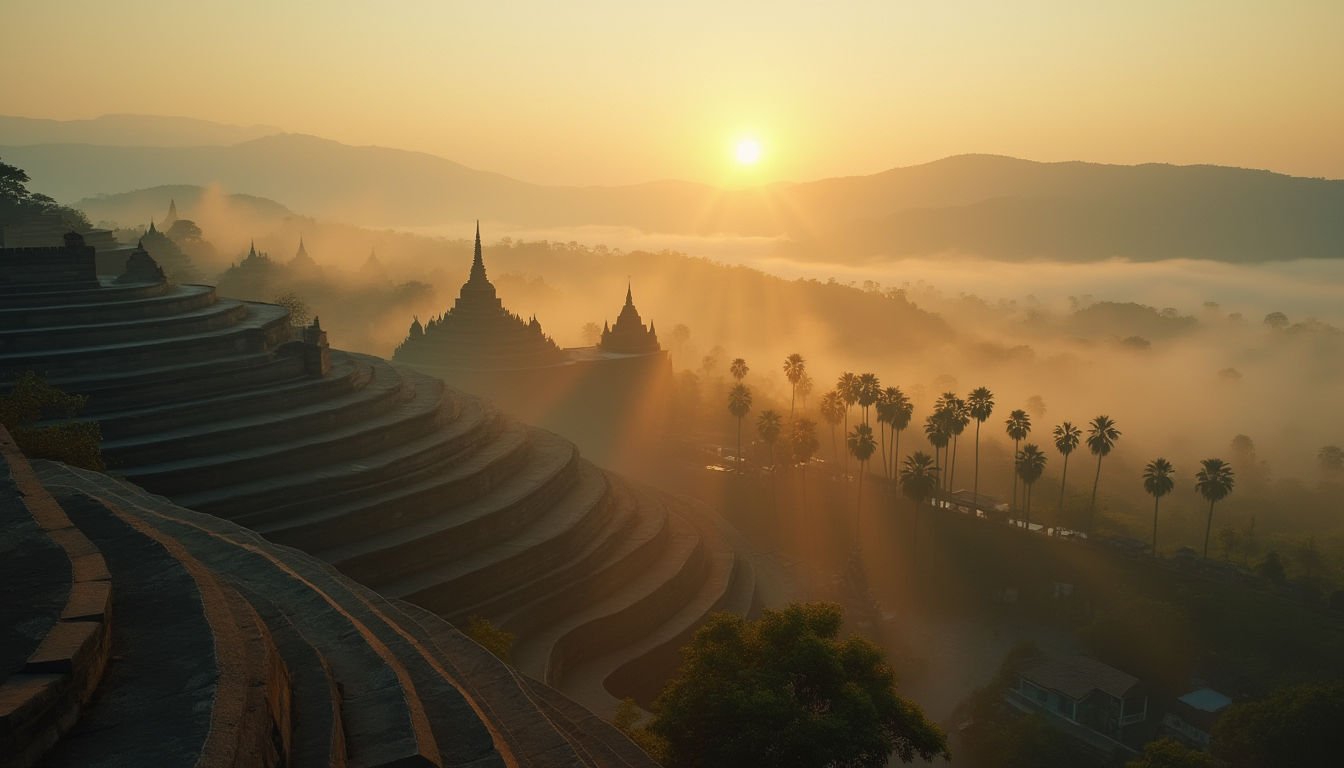

Mrauk U Archaeological Sites: How to Get There, Best Temples, and Local Culture
Chasing dawn mist over ancient stone? This guide to the Mrauk U archaeological sites shows how to get there, the best temples to prioritize, and the local culture that brings the ruins to life. Plan around river access, soft sunrise light on terraces, and respectful temple etiquette to make your Mrauk U trip inspiring and smooth.
How to Get There
Routes and Access
Most travelers fly to Sittwe, then continue to Mrauk U by private car (about 3–5 hours, road permitting) or by river boat along the Kaladan, which trades speed for scenery. Overland routes from central Myanmar are longer and seasonal; always check current advisories and permissions before committing. Start at first light, carry snacks and cash (ATMs are limited), and keep luggage compact—boats and shared pickups can be crowded.
Best Time to Visit
Cool, dry months from November to February offer crisp mornings, misty horizons, and comfortable temple walks. March to May is hotter but clear; plan sunrise and late‑afternoon sessions and rest at midday. Monsoon (June–October) greens the fields, yet trails can be muddy and some remote sites harder to access.
Best Temples
Shittaung Pagoda
Shittaung Pagoda (Temple of 80,000 Images) is a maze of stone corridors carved with Buddhas, warriors, and floral motifs. Bring a small flashlight to read the reliefs, watch your footing on worn steps, and move clockwise with worshippers. Early light skims textures beautifully.
Htukkanthein Temple
Htukkanthein rises like a hilltop fortress, its spiraling passage funneling you toward a serene central Buddha. The elevated verandas catch wind and wide views across paddy and spires. Visit late afternoon for golden side‑light and long shadows.
Kothaung Temple
Kothaung, the largest of the Mrauk U temples, spreads over terraces studded with thousands of Buddha images. Wander the outer galleries for symmetry and scale, then climb carefully for perspective on the valley. Nearby viewpoints around Shwe Taung hill frame sunset with layered silhouettes.
Local Culture and Etiquette
Town Life and Food
Morning markets brim with rice noodles, river fish, and tropical produce, while potters and weavers keep village crafts humming. Taste Rakhine‑style soups, tamarind salads, and fresh coconut sweets between temple visits. Keep small cash for snacks and donations.
Respectful Visits
Dress modestly, remove shoes and socks at shrines, and keep voices low in enclosed chambers. Ask before photographing people, especially monks and elders, and avoid staging scenes. Drones and climbing on masonry are inappropriate; choose licensed local guides and support community‑run stalls instead.
Practical Tips
Getting Around
Distances are manageable by bicycle or e‑bike on dry days; in rainy months, hire a tuk‑tuk or car. Cluster temples into north–central–south loops to save time. Pack a headlamp for dim interiors, a dust scarf, and sandals that slip on and off easily.
Photography
Blue hour mists render moody layers; golden hour reveals brick reliefs and palm fronds. Expose for highlights to preserve color on gilded finials, and keep tripods out of walkways. Never touch frescoes or lean on columns—patina and plaster are fragile.
Plan Your Mrauk U Journey
With this guide to the Mrauk U archaeological sites, you can pair evocative temples with river travel and living culture, all at a thoughtful pace. If it helped, leave a comment with your favorite site, share it with a friend, and subscribe for more field‑tested Myanmar guides.