 Bagan Temples Guide: Sunrise Spots, E-Bike Routes, and Photography Tips
Chasing first light across an ancient plain of spires? This Bagan temples guide—focused on sunrise spots, e‑bike routes, and smart photography tips—helps you plan unforgettable mornings, smooth rides, and respectful visits. With thoughtful timing and a flexible route, you’ll capture Bagan at its most magical.
Sunrise Spots
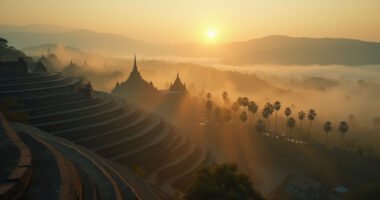
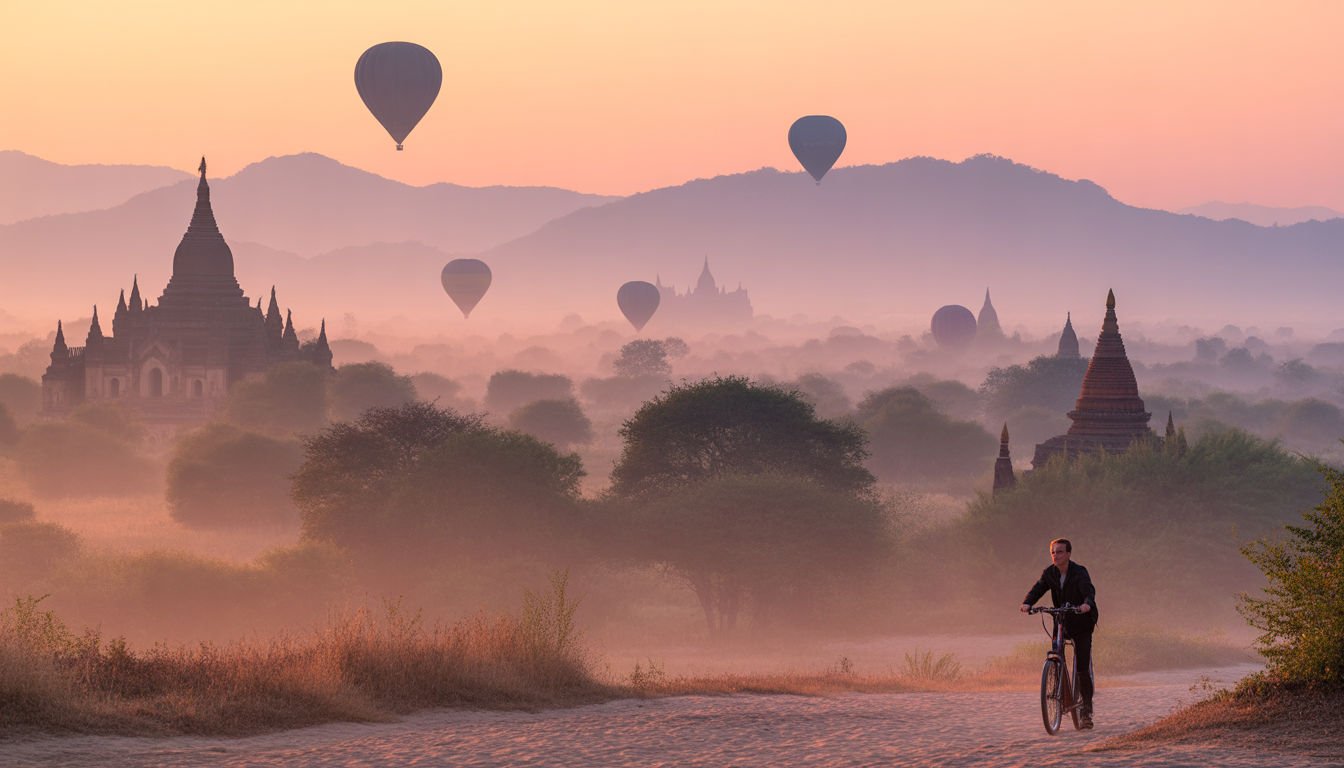
Sunrise reveals layered silhouettes, soft mist, and drifting balloons in peak season. Choose legal, stable viewpoints and arrive early to settle in quietly.
Authorized Viewpoints and Mounds
Climbing most temples is prohibited to protect fragile structures. Use designated earthen mounds and open ground with clear sightlines instead of steps. Favor low, wide vantage points with foreground stupas, bring a small mat or stool, and avoid restricted stairs, fences, and newly planted areas.
Timing and Light
Begin blue hour 45–60 minutes before sunrise; civil twilight paints pastels, then the sun backlights stupas for clean silhouettes. In cool season, mist adds depth; in hot season, skies are clearer but harsher. Stay 15 minutes after sunrise for warm side‑light on brick textures.
E‑Bike Routes
E‑bikes are efficient, quiet, and ideal for sandy lanes. Rent near your base, confirm battery range and charger, and test brakes before dawn.
Classic Loop: Old Bagan – Nyaung U – New Bagan
Start in Old Bagan, sweep east toward Nyaung U for market breakfasts, then arc south to New Bagan’s cafes and craft shops. Return via quiet lanes near Dhammayangyi and Sulamani to catch golden, low‑angle light. Keep a flexible plan to pause whenever crowds thin or skies change.
Quiet Trails and Safety
Use side tracks between minor stupas for shade and fewer people. Sand can be deep; ride slow, keep both hands steady, and avoid hard braking. Carry water, a scarf for dust, sunscreen, and small cash for donations. Park outside prayer areas and never lean bikes on brickwork.
Photography Tips
Bagan rewards patience, simplicity, and respect. Build a story through wide landscapes, intimate details, and quiet human moments.
Composition and Gear
Layer foreground branches or stupas against mid‑distance temples and soft horizons for depth. A 24–70mm covers most scenes; a light telephoto compresses balloons and spires. Use a small tripod only on firm ground off pathways. Shoot RAW, underexpose silhouettes slightly, and watch for sensor dust in sandy wind.
Etiquette and Preservation
Dress modestly, remove shoes in sacred zones, and keep drones grounded where restricted. Ask before photographing people, especially worshippers and monks. Never climb or touch fragile masonry; footsteps and vibration accelerate damage. Pack out trash, and keep voices low at dawn to honor the setting and fellow visitors.
When to Go
Seasonality and Crowds
Cool, dry months from November to February bring mild mornings, balloon flights, and soft haze for layered horizons—also the most visitors. Hot season from March to May is quieter but intense; start earlier and rest at noon. Monsoon from June to October greens the plain, yet clouds can mute sunrise.
Plan Your Bagan Adventure
With this Bagan temples guide, you can greet sunrise thoughtfully, glide by e‑bike between quiet shrines, and return with images you are proud of. If it helped, leave a comment with your favorite viewpoint, share it with a friend planning Myanmar, and subscribe for more field‑tested guides.